Organism development

A new way of living organization
Organism development is more than organizational development. It is a paradigm shift – from control to awareness, from structure to vitality, from competition to true collaboration.
It is the design and support of organizations as living, breathing systems – full of intelligence, responsibility and developmental power.
The core of organism development
The focus is no longer on the question: “How do we do it efficiently?”,
but: “How do we live the potential of this organism together – with everything that we are?”
A living organism is more than a team, more than a company, more than a vision.
It is a deliberately chosen context in which development, transformation and impact go hand in hand.
What constitutes organism development?
Here are central elements that make up the quality of a living organism:
Emotional competence as a resource
In traditional organizations, emotions are often excluded or outsourced as a disruptive factor – to coaches, doctors or private individuals.
In living organisms, emotional intelligence is cultivated, integrated and consciously used as a resource.
-
Feelings are not weaknesses – they are tools for navigation, decision and transformation.
-
Emotional hygiene is part of everyday life – in the form of listening spaces, emotional healing processes (EHPs), feedback culture and authentic expression.
-
Everyone contributes their emotional presence – not out of a repair mode, but out of responsibility towards the collective field.
From survival to creation
Organism development recognizes the deeply rooted survival strategies in people – and integrates processes to transform them.
-
It is not about “repair”, but about conscious choice.
-
Personal development is not a private hobby, but part of collective maturity.
-
Those who remain inwardly blocked hinder the flow in the collective. Those who heal bring strength, clarity and effectiveness back into the field.
Tools that work here:
-
Memetic decoding
-
Internal ranking and status work
-
Recognize and transform type 1 / type 2 strategies
-
Fear, anger, sadness and joy as an everyday navigation system
Context awareness & space holding
Vibrant organizations are not “flat hierarchies”, but consciously maintained spaces with clear roles, transparent awareness of power and a lived purpose.
-
Management becomes space holding – not control, but a framework for development.
-
The context is consciously chosen, communicated and cultivated – not accepted randomly or toxically.
-
The main space holders are guardians of hygiene – they know that atmosphere, field clarity and emotional health have a direct impact on efficiency, innovation and connectedness.
From competition to co-creation
In traditional organizations, there is subliminal competition, fear of losing power and an attitude of “everyone against everyone else”.
Organism development breaks with these patterns:
-
People are allowed to become bigger than their manager – because their size serves the whole.
-
Win-win is replaced by “winning-happens” – a state in which collective success emerges emergently.
-
There is no longer a top and bottom – but a conscious circular structure, dynamic authority and role-defined responsibility.
Tools & formats that you find in living organisms
-
Game world buildingCreating your own venture field with its own rules, principles and culture.
-
3-cell teamsJoint awareness building about survival strategy – resource – archetypal source.
-
EHP DojosCollective spaces for the transformation of personal and systemic blockages. (EHP = Emotional Healing Process)
-
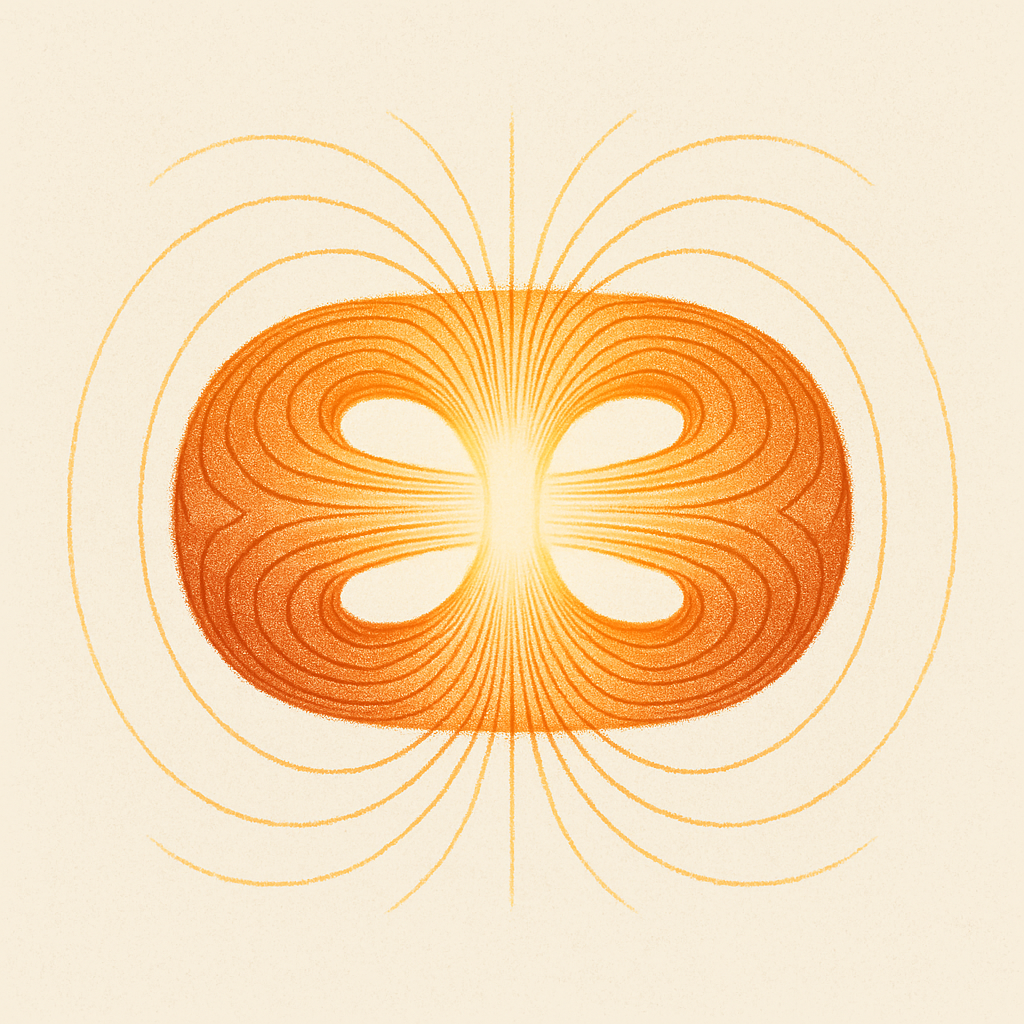
Torus TechnologyCircle culture that enables feedback & coaching, inspiration and field navigation.
-
Systemic integrationEnergy work in the everyday life of the organization.
-
Shadow integration: taking responsibility for destructive patterns and behaviors
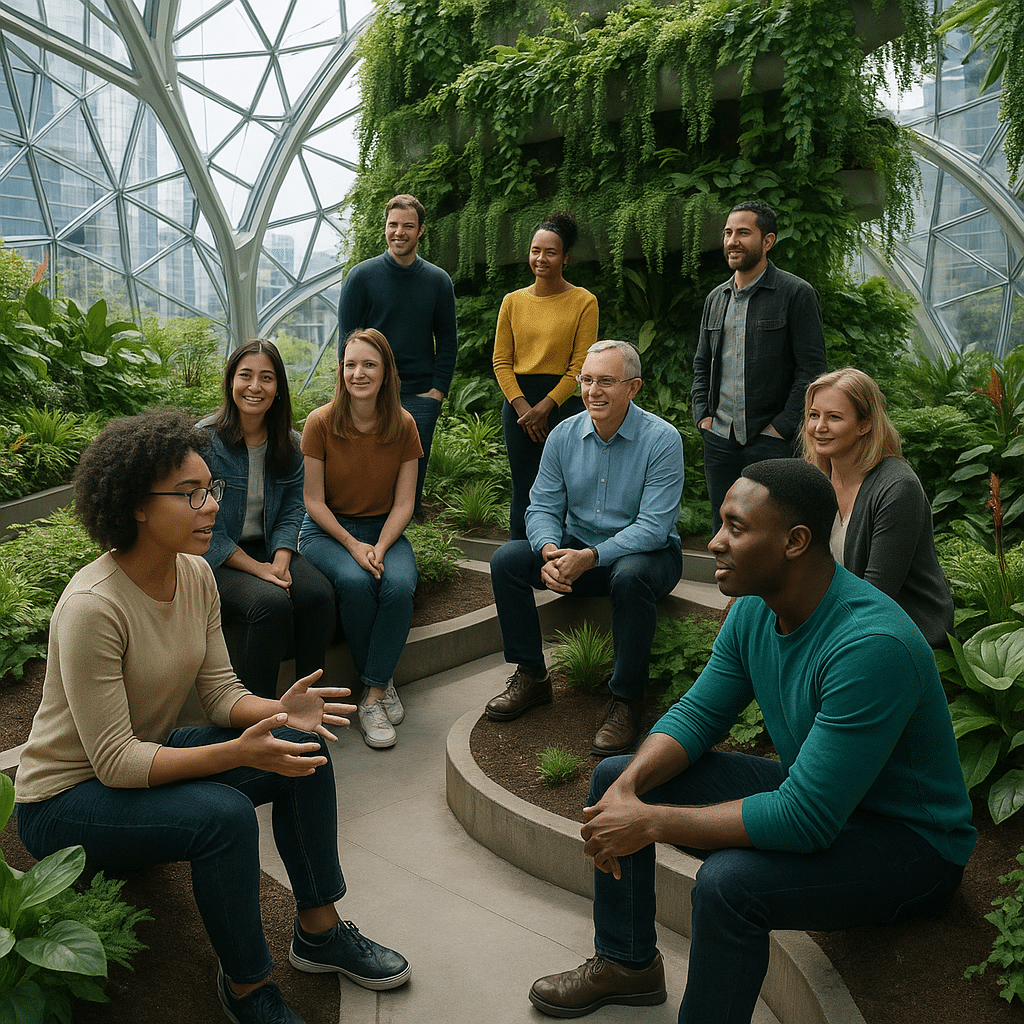
The effect of a living organism
More energy in the system
Less drama – more presence
Real innovation instead of repetition
Clarity in the field – i.e. no gossip and no intrigues
Teamwork takes place without pressure
Change becomes possible without collapse
Collective intelligence is unlocked
Innovation can be felt throughout the entire organism
Employees who want to advance themselves and the company
“Organism development is not management
It is conscious evolution.
Everything else is repeating patterns.”